Introduction:
Imagine this: a world-renowned fashion icon steps onto thed red carpet, draped in an outfit that immediately sparks a global conversation. This is not just a dress or a suit; it’s a statement, a piece of art that reflects the zeitgeist, an embodiment of personal identity and societal values. This is the power of fashion – a force so pervasive that it transcends mere clothing to become a language of its own. Fashion is everywhere, influencing our choices, shaping our identities, and reflecting the complexities of our world. It’s in the everyday – the businessman in a tailored suit, the teenager experimenting with the latest trends, and the parent choosing comfort over style. From the catwalks of Paris to the streets of Tokyo, fashion is an omnipresent narrator of our times, a canvas on which we paint our individual and collective stories.
Fashion as Self-Expression
Fashion is more than just clothing; it’s a canvas for self-expression, a tool for storytelling, and a reflection of our identity. Consider the story of David Bowie, whose Ziggy Stardust persona redefined not just music, but also fashion. His flamboyant, androgynous style challenged societal norms and inspired generations to see fashion as a form of personal rebellion and self-expression.

Image 1: David Bowie was a fashion icon
Similarly, the punk movement of the 1970s used fashion to express anti-establishment sentiments. Torn clothing, safety pins, and studded leather jackets became symbols of a counterculture that rejected mainstream values.
In more recent times, celebrities like Lady Gaga and Billy Porter have used fashion as a means to push boundaries and make bold statements. Their choice of outfits often goes beyond aesthetics, serving as a medium to challenge gender norms and advocate for social issues.
The Role of Media and Advertising in Fashion
The digital age has revolutionized fashion advertising, creating a new dynamic in how trends are set and consumed. Social media platforms, particularly Instagram and TikTok, have become pivotal in shaping what’s fashionable. Influencers, with their massive followings, often set trends just by wearing a particular item, creating a ripple effect that reaches retail stores globally.
This shift has led to the phenomenon of ‘trend cycles,’ where styles rapidly come in and out of fashion, driven by the instant nature of social media. These cycles are much shorter than traditional fashion seasons, and this constant, rapid change feeds consumer desire for newness.
Moreover, digital advertising has become highly personalized, using data analytics to target consumers with items they are more likely to desire. This has made fashion more accessible, but also more transient, as consumers are constantly bombarded with the latest trends and styles.

Image 2: digital advertising has become highly personalized, using data analytics to target consumers
In essence, the digital age has democratized fashion, but also accelerated its pace, creating a fast-moving world where trends are born and die on social media feeds.
Psychological Factors in Fashion Choices
Fashion serves not just a practical purpose but also fulfills several psychological needs. At its core, it’s a form of self-expression, a non-verbal way to tell the world who we are, or sometimes, who we aspire to be. It’s closely tied to self-esteem; the right outfit can boost confidence, making us feel more powerful, attractive, or professional.
There’s also a profound need for social acceptance that fashion caters to. Adhering to or rebelling against societal norms through clothing choices can be a way of finding one’s place within or outside social groups.
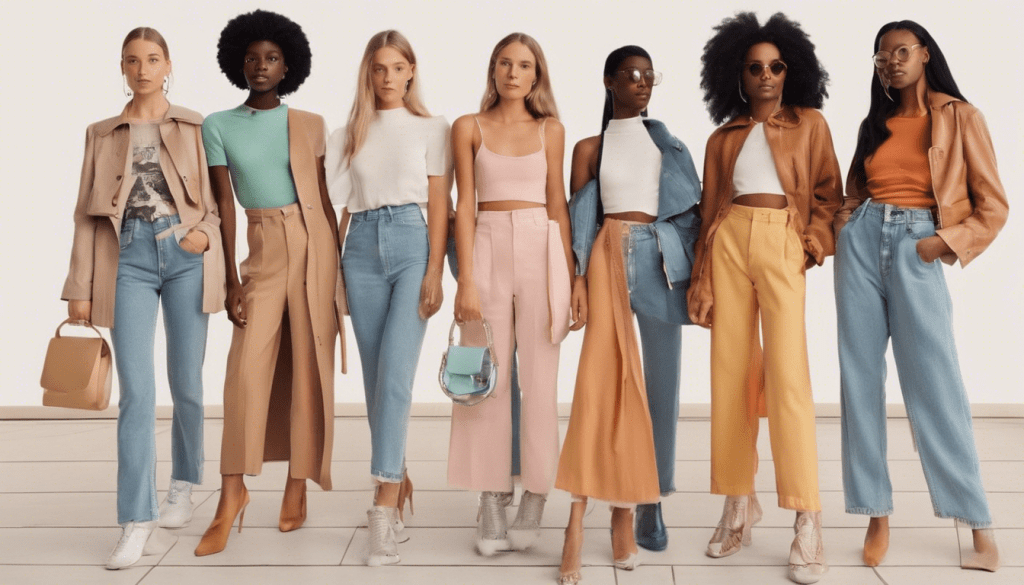
Image 3: fashion caters to. Adhering to or rebelling against societal norms through clothing choices
Moreover, fashion can be a coping mechanism, a way to face the world, especially in times of personal turmoil. The act of choosing an outfit can be a form of self-care, a moment in the day where one focuses solely on oneself.
In summary, fashion is deeply intertwined with our psychological makeup, influencing and reflecting our emotions, thoughts, and place in society.
Fashion as a Cultural Mirror
Fashion has always been a reflection of societal changes and political movements. For instance, the flapper dresses of the 1920s symbolized women’s liberation movements, including the push for suffrage. Similarly, the unisex fashion trends of the 1960s and 1970s mirrored the growing gender equality movement. In more recent times, sustainable and ethical fashion trends have risen in response to growing environmental awareness and activism. These examples show how fashion is not just about aesthetics; it’s a powerful tool that reflects and sometimes even drives cultural and political shifts.
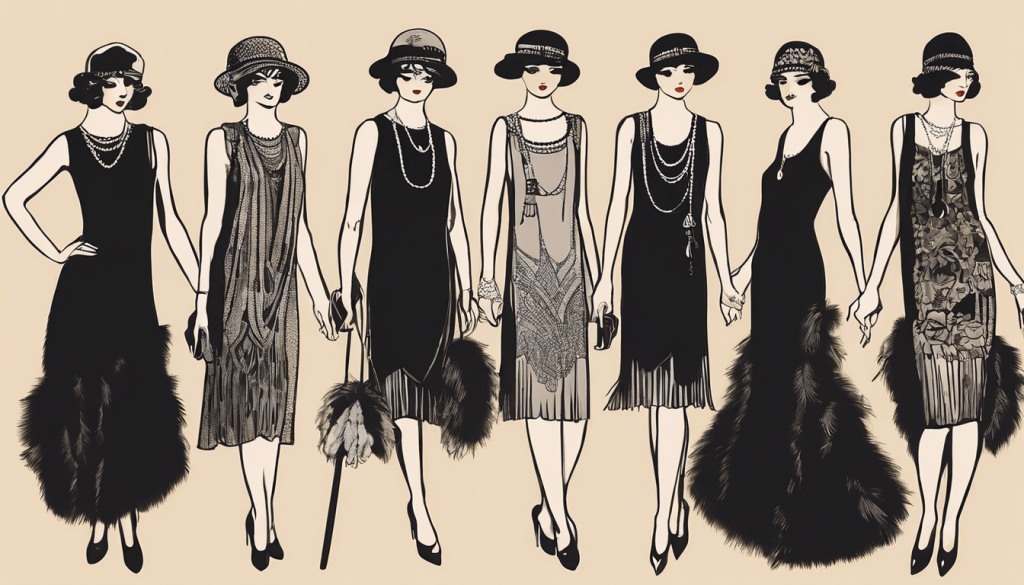
Image 4: flapper dresses of the 1920s symbolized women’s liberation movements, including the push for suffrage
The Business of Fashion: Fast Fashion and Consumer Trends
The fast fashion phenomenon has drastically altered the fashion industry. Brands like Zara and H&M have changed the way we consume fashion, bringing the latest trends from runway to retail at breakneck speed and affordable prices. This shift has significant economic implications, driving consumer behavior towards more frequent purchases. However, it also raises concerns about sustainability and ethical production. The business of fashion today is characterized by this tension between rapid trend turnover and the growing demand for responsible fashion practices.

Image 5: Brands like Zara and H&M have changed the way we consume fashion
Conclusion
In conclusion, fashion is much more than mere clothing; it’s a vibrant language of self-expression, a reflection of our cultural and societal shifts, and a significant player in the global economy. From the psychological allure that drives our sartorial choices to the fast-paced world of fast fashion, it’s evident that our obsession with fashion is a complex interplay of personal, societal, and economic factors.
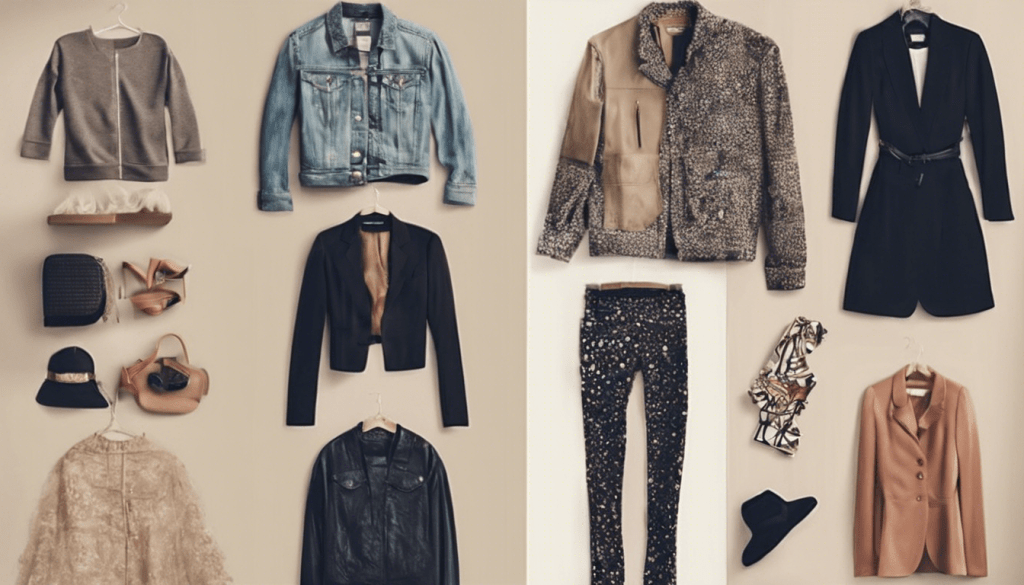
Image 6: Fashion is a personal journey as much as it is a global phenomenon
As you reflect on your own wardrobe, consider what your fashion choices say about you. Are they a reflection of your personal identity, societal influences, or perhaps the allure of the latest trends? Fashion is a personal journey as much as it is a global phenomenon.



 Sidewalk Runway
Leave a comment